In Their Residence: Julian Featherston
4 min read
Step inside Featherston house, an enduring piece of Melbourne’s architectural fabric, through the eyes of Julian Featherston, who continues to call this inspiring house, home.
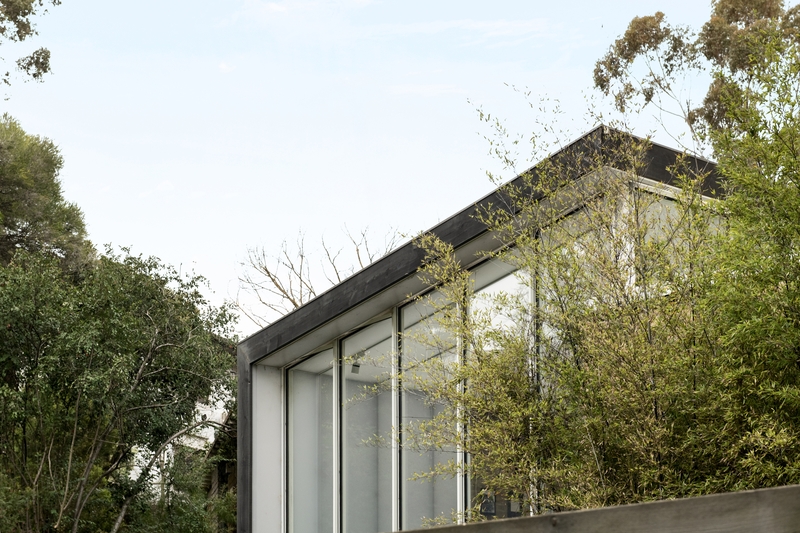
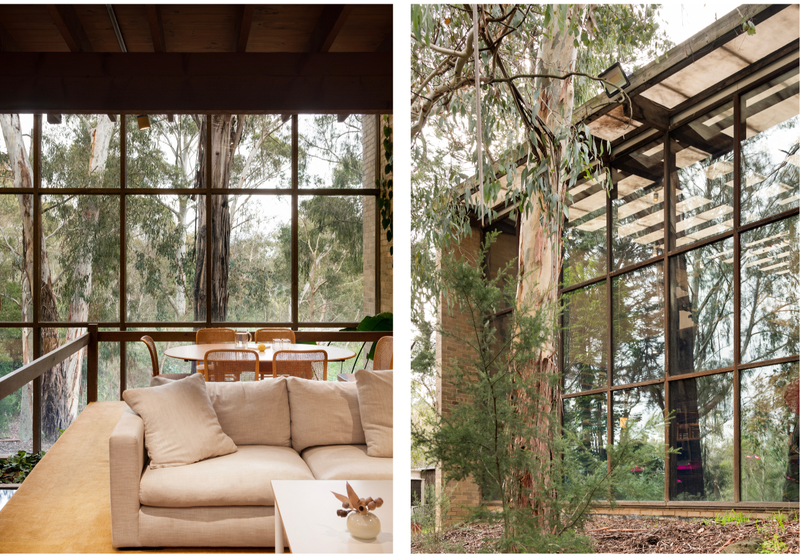
Designed in the late 1960s by Robin Boyd, one of Australia’s most influential architects, this iconic Ivanhoe residence features soaring volumes, a translucent roof, an indoor garden, and a continuous flowing layout that defied every suburban convention of its era. Today, it stands as one of Boyd’s most experimental and celebrated residential works.
We visited Julian to talk about growing up in one of Melbourne's most singular houses, what it has taught him about design, and how it might offer lessons for the future of living in our city.
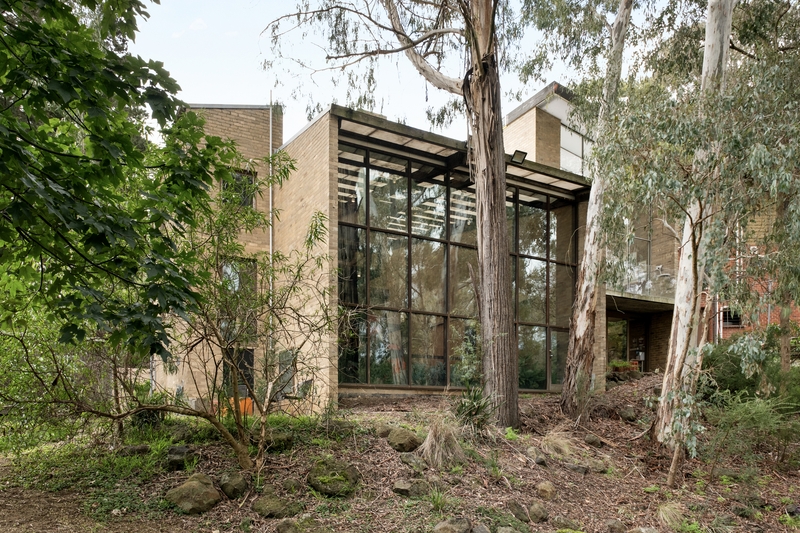
Architectural design and nature sit in perfect balance.
Q: Julian, this is the home you grew up in. What has it been like coming back, now as a parent?
Julian: It's been fascinating. Watching the house evolve again, seeing how my kids respond to it—it makes you see things in a new light. Children seem to naturally embrace the openness and flexibility of the space, where adults might hesitate.
Interestingly, some of the most unconventional features, like the open-plan volumes and minimal partitioning, have turned out to be the most successful in practice. The house really does support both life and work in a way that feels relevant now.
Q: Featherston House is deeply embedded in nature. How does that shape your everyday experience?
Julian: It becomes a backdrop—you forget it's special until you're away from it. Then you really miss it. The house changes how you experience time.
I'm curious to see how that might shape the kids' sense of place as they grow older.
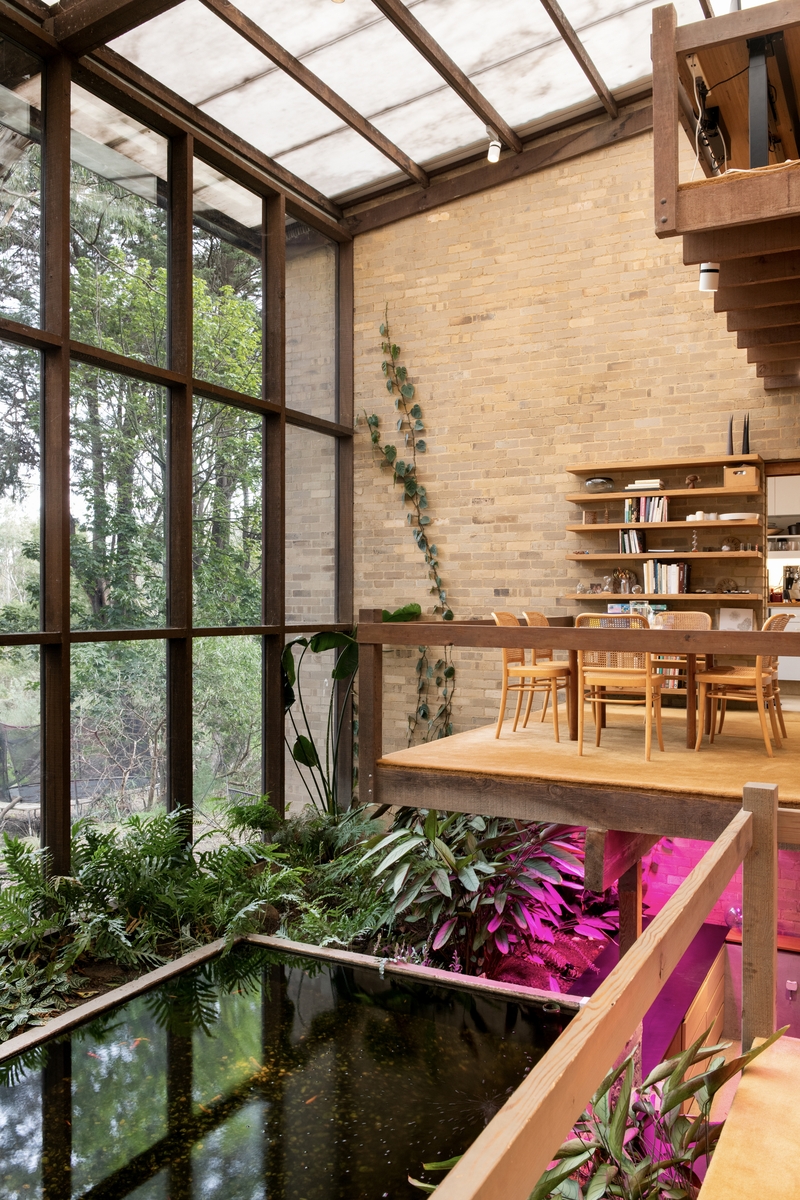
"There's a constant connection to the seasons, to the light and sounds of the creek, the movement of the trees."
Q: You've made renovations over time. How did you approach these changes while respecting Boyd's original vision?
Julian: We spent a lot of time identifying what was truly significant—what gave the house its character. That process was guided by Janet Beeston from Frontier Heritage. Once we had that clarity, it allowed us to be confident in where we could intervene without compromising the essence of the design.
It's not about freezing the house in time, but allowing it to continue to be useful and meaningful.
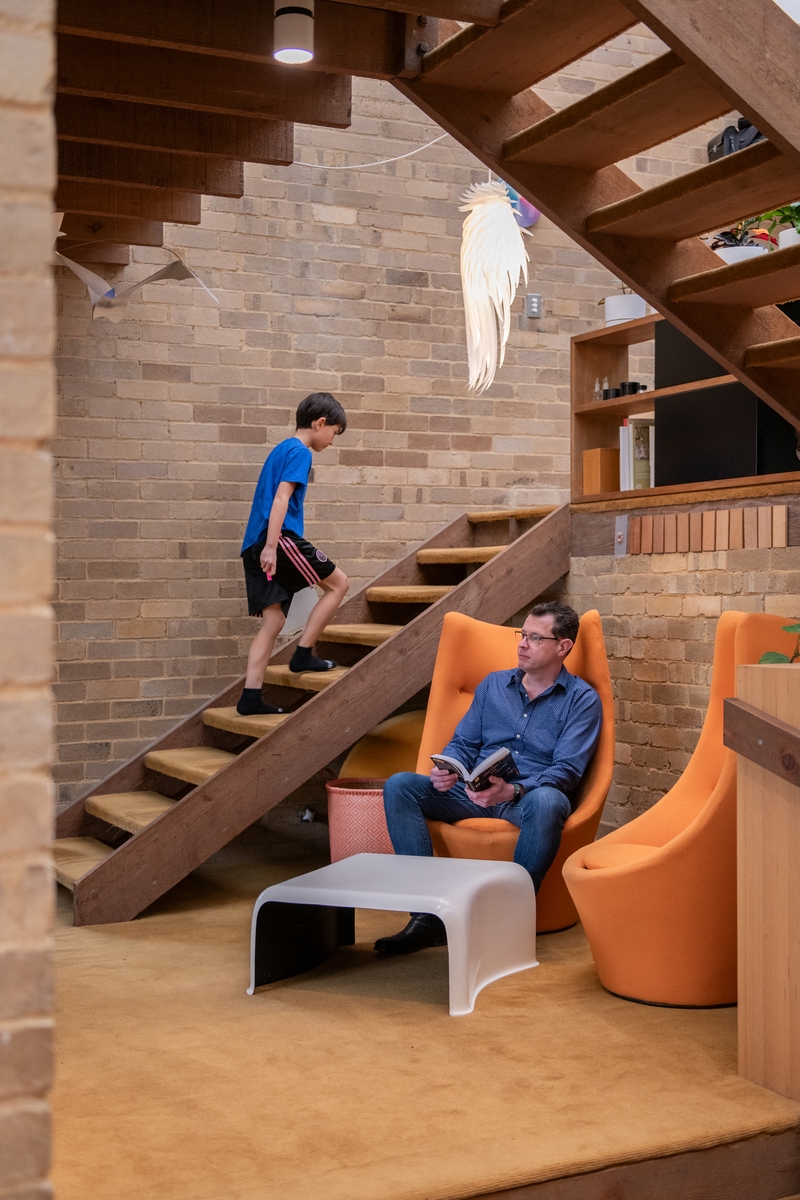
Julian is able to watch his kids move and play throughout the space, just as he once did.
Q: What's it like raising your children in the same house you grew up in?
Julian: It's very special. There's a sense of continuity that's hard to put into words. Watching them play in the same corners I once did—it's grounding, and also a little surreal.
Q: Your mum still lives next door. What has multigenerational living taught you?
Julian: It works when you're intentional about it. Just because we live close doesn't mean we're in each other's space all the time. We've found a rhythm that allows for both connection and privacy.
Sometimes I think the desire for physical distance in families is really just about waning autonomy. If you can maintain that, proximity becomes a strength.
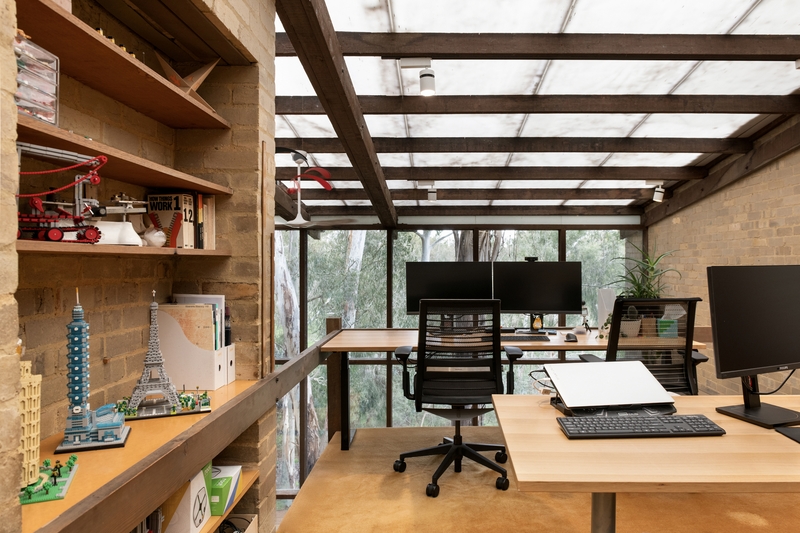
Boyd designed this house with work-from-home in mind—long before it was the norm.
Q: HAL Systems, your climate tech company was born here. How did the house inspire that?
Julian: It came out of the spirit of experimentation. The house was designed to push boundaries, and I think that mindset influenced the way we approached HAL. It's a smart heating and cooling control system for commercial buildings, focused on comfort and efficiency—two things that often don't go together.
We've had some great results in our pilot building, and a brilliant team behind it. It's been a really satisfying project to grow.
Q: And finally, what's next for the house?
Julian: We're actually at a bit of a transition point. Our company has outgrown the home office, and we're moving to a new space. I'd love to see the work area here repurposed for something new—maybe another creative project or residency. It feels important to keep that spirit of experimentation alive.
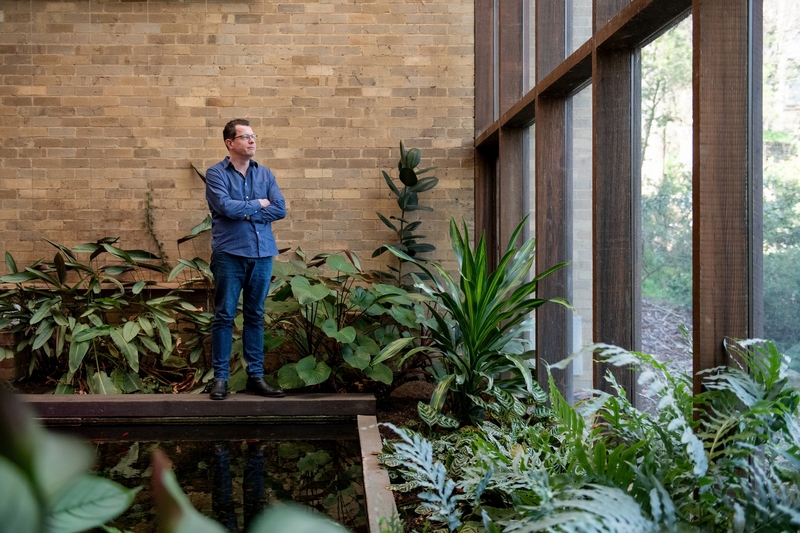
The iconic Featherston House, where modernist architecture meets family history.
"I've lived here so long it's hard to step back. But I know it's made me value simplicity, restraint, and a strong relationship with nature. It's also instilled a quiet optimism—the idea that design can make life better in small, meaningful ways."
For a deeper look into Julian Featherston's life and the Iconic Ivanhoe home, request a copy of our [In]Residence Edition 7.
Click here to have your copy delivered for free, or pick up a copy from your local Nelson Alexander office today.
All images were photographed by Joel Noon.